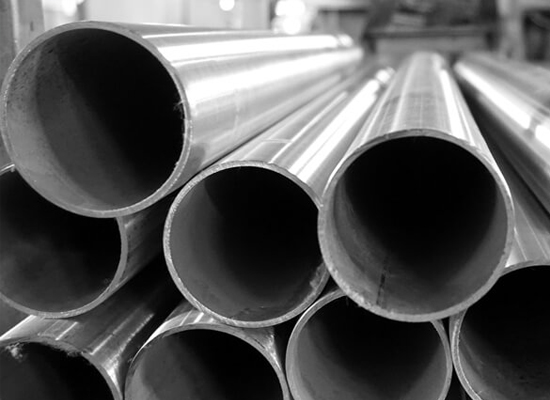
Stainless Steel 316 is a member of the stainless steel family and is also known as 316L. This grade contains an alloy structure designed for strong corrosion resistance and is used across a wide range of industries.
The main features of Stainless Steel 316 are:
Corrosion Resistance: Stainless Steel 316 shows high resistance in corrosive environments, especially against salt water and aggressive chemicals. This is why it is preferred in marine, chemical and medical applications.
High Temperature Resistance: Stainless Steel 316 can withstand elevated temperatures, allowing it to be used in various industrial applications.
Corrosion-Resistant Fasteners: Because of its corrosion resistance, Stainless Steel 316 is commonly used for fastening elements such as bolts, nuts and washers.
Weldability: Stainless Steel 316 is suitable for welding, making it a practical material for a variety of designs and structures.
Biocompatibility: Due to its biocompatibility, 316 stainless steel can be used in medical implants and surgical instruments.
Typical Uses:
Food equipment handling foods with higher acid content
Laboratory benches and equipment, and medical devices
Exterior facades of coastal architectural structures such as panels and rails
Boat and ship fasteners
Chemical transport containers
Heat exchangers
Bolts, nuts and screws
Springs
Overall, Stainless Steel 316 is a popular stainless steel option thanks to its high corrosion resistance, mechanical durability and broad application range.